
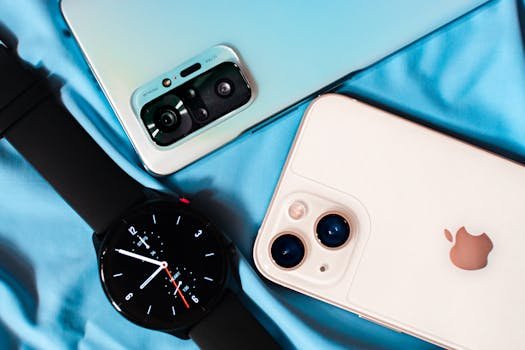
Mobile technology will reach a tipping point within the realm of mobile devices in 2026 as we see flagship models launched and innovations made to wearable devices. We’ve already seen smartphones become faster, but now they are becoming smarter by being more adaptable and integrated into AI systems. In addition, smartwatches have transitioned from being purposeful fitness-only devices to becoming a necessary part of any consumer’s daily life.
1. Flagship Smartphones Go All-In on Artificial Intelligence, With the Samsung Galaxy S26 Series Leading the Way
The largest news story that will take place this month is the launch of Samsung’s Galaxy S26 line of smart phones, which is Samsung’s most extensive upgrade to date of their flagship devices.
What’s New About the Galaxy S26
AI is Everywhere: Samsung has introduced innovative Galaxy series AI features across the entire line (Galaxy S26, S26+, and S26 Ultra) that can automate specific tasks within the users daily routines. By way of example, the use of AI within the S26 has allowed users to edit photos automatically by applying various filters or effects without needing to use 3rd party tools from social media sites or software packages; provide intelligent assistant functionality for managing your calendar using reminders, event notifications, etc.; and facilitate intelligent personal assistants.
Smart Privacy Display: The Galaxy S26 Ultra variant comes equipped with Samsung’s Privacy Display technology, which will allow users to maintain privacy when they are; using their device in a public environment, or sitting next to someone on the Metro Train.
Performance Improvements and Additional Camera Features: The release of the Galaxy S26 series will provide users with faster processing speeds when using their devices, improved battery life, and editing capabilities giving users significant improvement over their cameras for low light situations using the latest mobile processors (Qualcomm Snapdragon 8 Elite Gen5) available in the Galaxy S26 series.
Pricing and Release Information: Samsung will release their series of smartphones on March 11, 2026. The Galaxy Z TriFold begins at $899 for the base model, with the Ultra model starting at $1,299.
Samsung’s Strategy Shifts the Industry
Artificial Intelligence has emerged as a critical component for smartphones, marking a significant turning point for the entire industry.
2. Future Concepts and Foldable Devices
Flagship models continue to be the top-selling mobile device, however foldable device innovation is changing how we look at form factors and the smartphone.
The Samsung Tri-Fold Concept
Samsung has announced its concept of the Z Trifold smartphone, which uses an innovative Z hinge to allow the smartphone to unfold into what looks like a tablet.
This concept suggests how smartphones may evolve; providing more display area, but keeping it small enough to fit into your pocket. The cost of the Trifold will be approximately $2,500, demonstrating an interest by manufacturers to create cutting-edge devices that make productivity and portability work together.
Modular Phones at MWC 2026
TECNO provided hints of their modular smartphone ecosystem at Mobile World Congress 2026. TECNO’s modular smartphone base device will be extremely thin, and the add-ons will attach using magnets, including things such as camera modules and power banks.
The concept of modularity may be interesting for people looking for ways to customize their devices without spending a fortune on professional-grade gear.
Many of these developments are based on new ideas as the technology industry tests new ways to create devices that can change over time according to how users lead their lives.
3. Rising Popularity of Mid-Range Smartphones—The Addition of New Technologies and Services
While news stories tend to feature major smartphone releases (flagships), many mid-range phones will also see significant advances in technology:
Infinix will soon release a smartphone called the “Infinix Note 60 Pro,” which has a 5G-capable Snapdragon processor and costs less than a major smartphone. Infinix also announced that the phone will have a huge battery (6500mAh) and fast charging capabilities—the types of features normally only found on flagship phones. As more manufacturers produce high-performance components and devices with long-lasting batteries, consumers will have access to some very innovative technologies.
#4. Smartwatch Innovation—Fitness, Productivity and Lifestyle Are All Blending Into One Device
Smartwatch innovation is moving very quickly right now with many different kinds of smart-watches being developed that combine various health-related features (e.g., heart rate monitoring) with productivity (e.g., email notifications) and lifestyle (e.g., social networks).
In 2019, Google’s Pixel Watch 4 won the award for “Best New Smartwatch” at many technology industry award ceremonies.
Huawei will also be expanding their smartwatch line-up soon; speculation exists that they will be releasing an upgraded model of their Watch Fit sometime during the next calendar year.
Budget-conscious and value-driven models are also becoming available and are being celebrated with awards recognizing their affordability for the average user, resulting in much success for these devices in all parts of the current smartwatch marketplace, including premium-oriented ecosystems; such as the Apple ecosystem and Google ecosystem, through practical applications used to help track fitness and wellness.
5. The Importance of Smart Watches in the Year 2026
Smartwatches have become more than just a way to accessorize; they have become necessary tools associated with digital lifestyles, due in large part to:
Extended Battery Life
Today’s newest smartwatches are typically now able to last 3-5 days on one battery charge, and many of today’s fitness-oriented smartwatches are able to exceed these battery life expectations. This is a major improvement from previous complaints regarding the short life of batteries with wearables and the need to recharge these devices many times each week.
Daily Use
Smartwatches are being used much more frequently for:
The paying for goods and services using a smartwatch, such as purchasing event tickets.
Receiving notifications on the face of your smartwatch and being able to minimize distractions created by smartwatches while receiving notifications.
Tracking activity, sleep and stress levels to help improve your overall well-being.
Providing simple replies to messages and providing productivity tools to help with completing tasks.
As a result, smartwatches have transitioned from being companion gadgets to being everyday tools that are incorporated into our daily routines, reducing the need for people to reach for their smartphones regularly.
Styles and designs
Smartwatches are now seen as stylish and fashionable due to the number of different size and finish options available in combination with different watch bands. Therefore, smartwatches can be worn by individuals in sports and fitness environments or in everyday work environments.
6. News about Wider Industry Dynamics: AI, Connectivity, and Regulation
While device launches have been reported and will create a great deal of news coverage, many more long-term trends will have a great deal of impact on how mobile phones or wearables will be used in society. Lots of different types of technology will have a major influence on how users interact with and use mobile devices.
Artificial Intelligence Integration Across Device Capabilities
More devices are leveraging AI capabilities, both to provide evidential proof of performance threshold measurements and/or to support improved user experiences by providing proactive suggestions for content, providing automated functionality (photo edited automatically) and providing contextual assistance through smart devices. An example of this shift can be evidenced by Samsung’s own Galaxy AI ecosystem.
New Technologies & Satellite Connectivity
Given the innovation we are seeing with new platforms/chips (e.g. Qualcomm’s platforms optimized for wearable technology) it is conceivable to envision our wrist-worn devices in the future having satellite messaging capabilities as well as having greater autonomous operational capabilities. This demonstrates how wearables have the potential to serve as the connective devices for an array of different types of connectivity.
Changes in Society
Policy changes in places such as Singapore are addressing the presence of smartphones, wearables and similar devices everywhere; e.g. requiring students to limit their usage of these devices while in school.
As such, the industry is maturing and transitioning towards a state where society as a whole accepts the impact of smartphone and wearable devices in our day-to-day lives.
7. General Consumer Advice for Device Purchases in 2026
Consideration and expectation of purchasing devices today needs to be assessed by consumers as they identify the rapid pace of technology changes:
Flagship Devices
If you consider purchasing a flagship device, the flair of that device may appeal to you; however, some consumers may find that they want:
Access to cutting edge technology/device functionality powered by AI Exceptional Camera and Display Performance Maximum Operating System Software Support Longevity
The current Galaxy S26 Series can serve as an example for the types and functions of devices available today due to the design of flagship smartphone devices combining an exclusive hardware foundation, exceptional current-generation mobile solution performance and critical privacy features.
Mid Range Smartphone
– If you desire performance and durability but cannot afford flagship (high-end) models with their high price, consider mid range cell.
– Most important features when buying a mid range smartphone are battery life and 5G capabilities.
– Many mid-range phones now also have features that were traditionally reserved for premium / flagship (high end) phones, such as Infinix’s upcoming product line.
Smartwatch
– If you want more than just fitness tracking and would like to enhance your daily productivity or be notified quickly, then maybe a smartwatch is right for you.
– Smartwatches also can add to your daily lifestyle and make it easier to complete tasks with minimal interruption.
– Premium smartwatches (e.g., Pixel Watch 4) along with lower end models can accommodate most everyone.
8. What Lies Ahead for Mobile Technology
– Trends to Watch for Through 2026 and Beyond Looking ahead through 2025 and into the next decade, there are a number of trends that will impact mobile technology:
Artificial Intelligence as the Core Experience Layer
As mobile devices (smartphones) and wearables (smartwatches) get smarter through the integration of AI (artificial intelligence), the level of experience will improve as the devices will be anticipating what users want/need before they actually request it.
More Seamless Ecosystems
As the linkages between mobile devices (phones and wearables) to our vehicles, homes and even smart rings and other implantable devices become more closely integrated, we will be able to seamlessly engage in a digital world.
Advances in Health Monitoring Technology
As wearable technology continues to evolve beyond step counting into full true health monitoring, the sensors developed for the future should provide the ability to continuously monitor blood glucose, heart rate, etc., without any invasive process.
Smartphones and wearables are blurring together as evidenced by devices such as Pixel Watch 4 adulting that the line of separation between them is changing.
Conclusion
The year 2026 mobile landscape will have to incorporate:
• AI phones
• Smarter wearables
• Transformative form factors transforming how we interact with technology.
There will also be evolution of smart watches into daily use, flagship Galaxy S26 series modular phones etc. All consumers and tech fans will see dramatic changes.
Intuitive devices will ultimately be seen as more than just tools; they will assist in work, improvement of performance and carry out everyday tasks.