
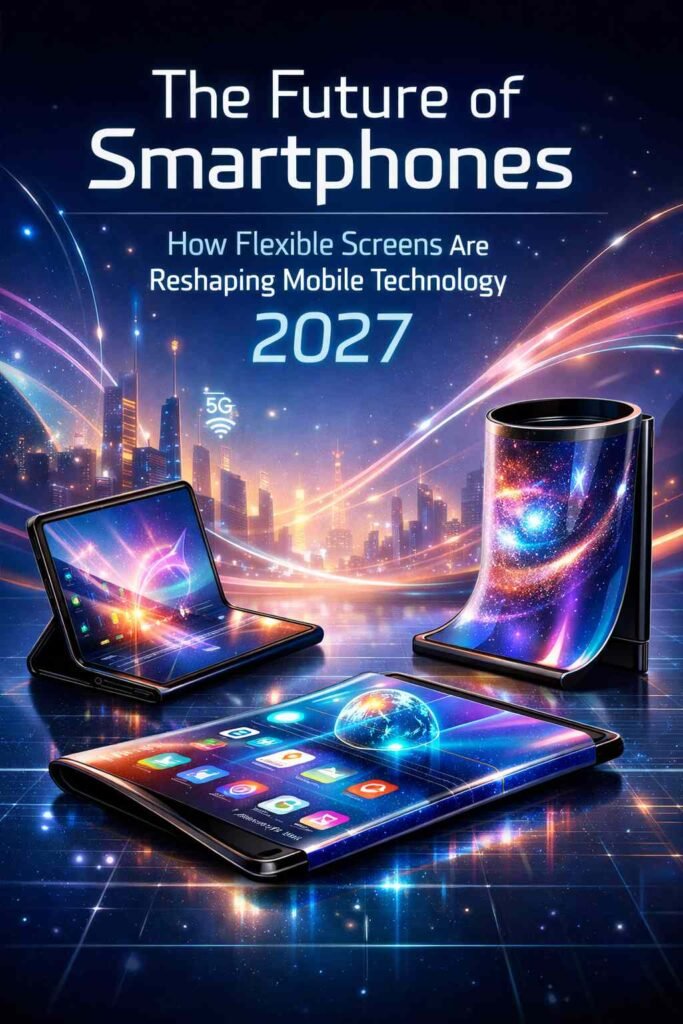
Preface
This is the introduction. The smartphone market has gotten to a point where the incremental upgrades (i.e., slightly improved camera performance, slightly faster processors, and slightly improved battery life) do not excite buyers anymore. As a consequence, manufacturers are developing transformational technologies that will redefine what a smartphone can be. The most innovative and disruptive of these technologies are flexible screens.
In addition to being a new design element, flexible screens also signify a transformative change in user interaction with mobile devices. The introduction of foldable smartphones that can double as smaller tablets and rollable displays that expand when/if needed change our perceptions of portability/usability/design aesthetics. As flexible screen technology continues to develop through advancements such as materials science, display engineering, and manufacturing processes, it will most likely become an industry standard.
This article will discuss how flexible screens developed over the years, how flexible screens are made, what types of products use flexible screens, what challenges flexible screens face, and lastly what we think is possible with future smartphone technology.
The Evolution of Smartphone Displays
From Rigid Display and Basic Mobile Features to Flexible Display and Rich Mobile Features. The earliest smartphones had small rigid screens that were low resolution and had very limited features. The user’s device had to include a physical keyboard and the sole use of the screen would be to navigate through the basic features of the device.
As touch screens enhanced, smartphones moved towards larger-sized, high resolution displays as the primary mode of interaction.
When mobile phone manufacturers continued their efforts to push the limits of their design possibilities, they began testing the use of edge-to-edge displays which significantly lowered the size of the bezel while maximising the amount of screen available to users. The addition of curved screen technology to further enhance a users immersive experience only hinted at the previously unimagined flexibility that is possible with this new technology.
The Development of Flexible Display Technology
While flexible display technology was born out of advancements in organic light emitting diode (OLED) technology, the advantage of being manufactured on substrates such as plastic as opposed to glass allows manufacturers the freedom to experiment with their designs. Previously, Liquid Crystal Display (LCD) technologies required the use of a rigid backlight, preventing manufacturers from producing a flexible display.
The ability to create displays that can bend, flex or even roll up brought about the creation of numerous prototypes; however, it was not until advances were made in the production of these displays that manufacturers were able to successfully produce flexible displays for commercial purposes.
How Do Flexible Screens Work?
Signature components are what make up the technology for flexible screens.
Flexible Substrates – Plastic substrates (instead of glass) are typically used to help ensure the panels can bend without breaking.
OLED (Organic Light Emitting Diodes) – (OLED) panels are generally more flexible than (LCD) panels because they emit their own light instead of using a backlight.
Thin Film Encapsulation – This will help keep moisture and air away from the panel while still allowing for flexibility.
Hinge Technology – Many foldable devices use hinge technology to provide durability and allow for function (i.e. open/closed).
Foldable vs. Rollable vs. Stretchable Displays
Foldable Displays: The majority of flexible screens today are foldable, allowing for the user to fold them open like a book; this allows the user to switch between smartphone and tablet modes.
Rollable Displays: Rollable displays are able to roll/open and close; this will allow the owner to dynamically control the size of their screen/display based on their use case.
Stretchable Displays: (Stretchable displays) are in prototype stage; they would deform and go back to their original shape; this can help to create wearable technologies.
Current Applications of Flexible Screens
Foldable Smartphones: The largest and most notable applications of flexible display technology being used today are foldable smartphones. They merge functionality with portability while giving you the option to have a large-screen or small-screen device.
Users have the option to first fold their device to save space, then unfold the device to increase their number of tasks or to perform other functions such as play games or view media. This dual functionality is attractive because it is increasing prevalent to achieve work and play with a mobile device.
Devices will feature dual screens or multi-form devices.
Devices with a hybrid/core, multi-screen configuration use two or more flexible screens that provide unique usage modes. These new offerings continue to cause the traditional smartphone definition to expand, creating new workflows and new use case experiences.
Wearable Technology Complements Flexible Screens
Flexible screens are equally being incorporated into wearables, specifically in the form of smartwatches and fitness bands. Because they are designed to flexibly conform to the wearer’s body, flexible screens will be optimal for any kind of application that needs comfort and versatility.
Flexible Screen Advantages
Portability
The greatest benefit of flexible screens is improved portability. This means the device is capable of folding or rolling to reduce size for carrying, but still retain all of the same functionality.
Increased Size of Screen Display
By incorporating flexible displays, users have access to larger displays when they want it. This is especially important when multitasking, watching video, and playing video games.
Innovative User Experience
Flexible screens will provide new ways for users to interact with their devices. For example, a user can create two screens for multitasking or jump between multiple display modes based on a function being performed.
Design Flexibility
Manufacturers now enjoy more opportunities to explore new designs related to flexible screens than ever before. This allows manufacturers to create devices that both look better and perform better.
Challenges For Flexible Screen Technology
Durability
One of the biggest challenges for manufacturers of flexible screens is ensuring that flexible screens can be repeatedly bent and folded. Early devices had issues with creasing, hinge wear, and susceptibility to damage.
Cost of Production
Flexible displays cost more to produce than traditional displays do. Because of this, flexible display products generally have higher retail prices than similar products that use traditional displays, reducing accessibility for many consumers.
Software Issues
Flexible displays have screen dimensions that can often change as well as screen orientations. Therefore developing software for flexible display products that operate seamlessly across all variations is a challenge for both software developers and operating systems.
Limitations of Battery and Other Hardware
Designing devices with flexible displays requires manufacturers to rethink how they internally configure many of their components including batteries which must fit into shapes that are not typical of most devices while performing as expected.
Innovations to Improve The Future Of Flexible Displays
More Advanced Materials
Recent advancements in materials technology make making stronger, lighter weight, and longer-lasting components a reality. Two examples of new materials that increase durability are ultra-thin glass and new polymer composite materials.
Hinge Design Innovations
Advanced hinge designs on newer foldable devices allow them to have significantly less stress placed upon the flexible display when being used versus older hinges. This type of hinge design is essential for ensuring long-term use of flexible displays.
AI Integration (Artificial Intelligence)
Artificial intelligence continues to play an increasingly significant role in how we optimize our user experiences on flexible devices. AI enables the interface(s) on flexible devices to be adaptable; enables us to manage multiple tasks; and optimizes how well a flexible device performs according to our use patterns.
Energy Efficient (Display Technology)
With battery life as one of the main issues surrounding flexible devices, new display technologies and power management systems will help improve battery performance and increase the overall use of flexible devices.
New Tech Ecosystem – Flexible Screens Affect All Devices
Tablets and Laptops
Flexible screens are essentially creating a blurred line between smartphones, tablets and laptops. This means that one device could take the place of several different devices in the future.
Augmented Reality
Flexible displays will also play an important role in how we experience augmented reality (AR). With flexible displays, we can create adaptable interfaces that allow us to have a greater immersive experience in AR.
Wearable Devices / IoT
Flexible displays are excellent candidates for IoT devices since they are adaptable and can allow for many different forms of interaction and connectivity.
Market Trends / Consumer Acceptance
Consumer Acceptance
With flexible devices continuing to become more refined and more affordable, consumer acceptance continues to grow. Technology innovators and early adopters of flexible devices have played a major role in helping drive consumer acceptance.
Competitive Landscape
Major technology companies are investing heavily in developing flexible display technology, leading to many new products being released into the market and increasing competition among technology manufactures.
This is causing decreases in costs and increases in quality.
Regional Differences
There are differing worldwide rates of adoption for this product depending on such things like price, availability and consumer preference, however every region seems to have a growing overall trend towards adoption.
Future Opportunities
Fully Folded Ecosystems
In the future, users may have multiple flexible screened devices that will fit together perfectly to form one digital ecosystem.
Rollable Phone Technology
Rollable phones may become commonplace allowing users to have more flexibility and convenience than they currently have with folding phone designs.
Transparent and Invisible Display Technology
With the continued advancement of display technology, we may soon see the introduction of transparent or even invisible screens, which will offer entirely new design and functional opportunities.
Integration of Flexible Screens into Everyday Items
In the future, flexible screens may be used in conjunction with everyday items such as furniture, clothing or vehicles changing how we interact with technology.
Ethical and Environmental Issues
Sustainability Issues
The use of complex materials and processes in the manufacture of flexible screens may have an impact on the environment; therefore, it will be necessary to develop solutions addressing these issues before we can ensure sustainability in the future.
E-Waste Management
As new technologies are created, the need to manage e-waste is becoming more and more necessary. There must be methods established by manufacturers for recycling, reusing, or disposing of components on electronics that are no longer used.
Accessibility and Inclusion:
A vital consideration for greater accessibility in respect to flexible devices will be the ability to increase accessibility for users with disabilities as part of continuing development in this area.
Conclusion:
Flexible screen technology is a major advancement in the development of new technology for mobile devices such as smartphones by enabling enhanced user experiences, creating new form factors, and creating new design standards for mobile technology, meanwhile, Samsung entered the flexible screen phone market
There remain technological challenges that must be overcome such as durability, cost, and optimisation through software, but with ongoing innovation this is expected to change and by the time flexible screens are fully developed as part of smartphone technology, they should be standardised within the industry and thus resulting in the future development of mobile technology.
The future of smartphones is just beginning with all the potential it presents to consumers and industries through dynamic, flexible technologies such as foldable, rollable and other innovative technologies.
As both consumers and industries prepare to meet the demands associated with the introduction of this new technology, there is little doubt that the era of fixed screens is nearing an end and thus we have embarked on a new era of flexibility in our daily lives and in the palm of our hands.